The Generous Conflict Illusion
The Screwtape LettersThe Generous Conflict Illusion is a domestic quarrel produced when people argue for what they believe someone else wants, rather than speaking plainly about their own wishes. In Screwtape’s account, nominal self-sacrifice becomes a contest: each person insists on yielding, interprets the others’ response as an affront, and leaves the dispute with grievances concealed beneath a claim to unselfishness.
How the illusion is established
Screwtape places the pattern within a broader effort to replace positive charity with self-conscious “unselfishness.” The erotic enchantment of a courtship can make each person genuinely pleased to accommodate the other. The demonic strategy is to turn that temporary ease into a permanent rule of mutual self-sacrifice. The couple mistake sexual excitement for charity and assume the excitement will last; when it fades, they may lack both the emotional resources to keep the rule and the spiritual resources to fulfill it through charity.
The rule reverses ordinary deliberation. When a joint decision arises, one person is expected to argue for the other’s supposed preference and against their own, while the other does the same. Their actual wishes become difficult to identify, because each is performing a formal duty to give way rather than stating what they want. Each may feel virtuous for the apparent sacrifice while privately claiming special consideration and resenting how readily the other accepts it.
The tea-in-the-garden dispute
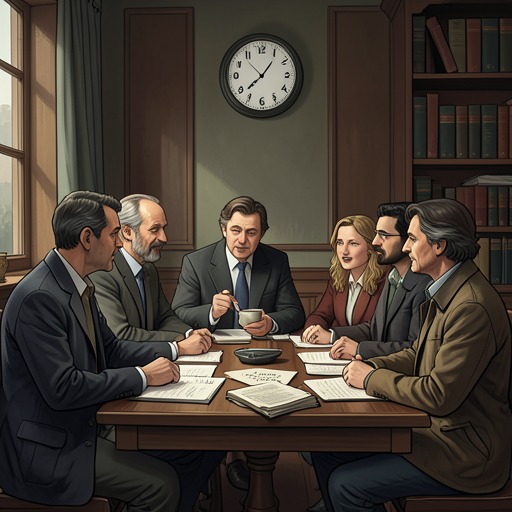
Screwtape illustrates the illusion with a trivial proposal: having tea in the garden. One family member indicates indirectly that they would rather not, while presenting willingness to go along as an act of unselfishness. The others withdraw the proposal, ostensibly to spare that person, but also because they do not want to serve as an audience for the display of petty altruism.
The first speaker then insists on doing what the others want; they insist on doing what that speaker wants. The contest escalates until someone declares that they will have no tea at all, and a real quarrel follows. The small decision matters less than the reversed form of the argument: the participants are fighting one another’s supposed battles instead of frankly contending for their own preferences.
Resentment beneath self-sacrifice
The ritual does not remove conflict; it disguises its sources. Screwtape identifies thwarted self-righteousness, obstinacy, and grudges accumulated over years as forces beneath the ostensibly generous exchange. Each side can recognize the cheapness of the other’s performance and the pressure it imposes, yet still regard itself as blameless and unfairly treated.
This pattern connects to the letter’s earlier account of domestic friction. Long familiarity can make a relative’s expressions and tones irritating; people may attribute deliberate provocation to the other while overlooking their own equally irritating manner. They can also apply a double standard, judging their own words by their literal wording and the other’s by tone, context, and suspected intention. The Generous Conflict Illusion extends that self-serving interpretation into the language of sacrifice: participants present their conduct as considerate while grievances and hostile readings continue to accumulate.
Courtship and the need for charity
Screwtape says the process can begin during courtship. A little real selfishness may be less useful to the demonic strategy than the first beginnings of elaborate, self-conscious unselfishness: one partner may expect the other to notice the sacrifice, then feel surprised or slighted when it goes unrecognized. The danger is not simply that people sometimes yield, but that yielding becomes a claim on the other person and a substitute for frankness.
The illusion depends on treating an external rule as if it could supply the love it names. If the couple recognize that love alone is insufficient and that charity has not yet been achieved, they may see that no formal law of mutual sacrifice can create it. In Screwtape’s account, the quarrel’s apparent generosity is therefore its concealment: the participants contend, but the language of self-denial makes the contention difficult for them to acknowledge.